

By Emma Johnson — Aurora, IL
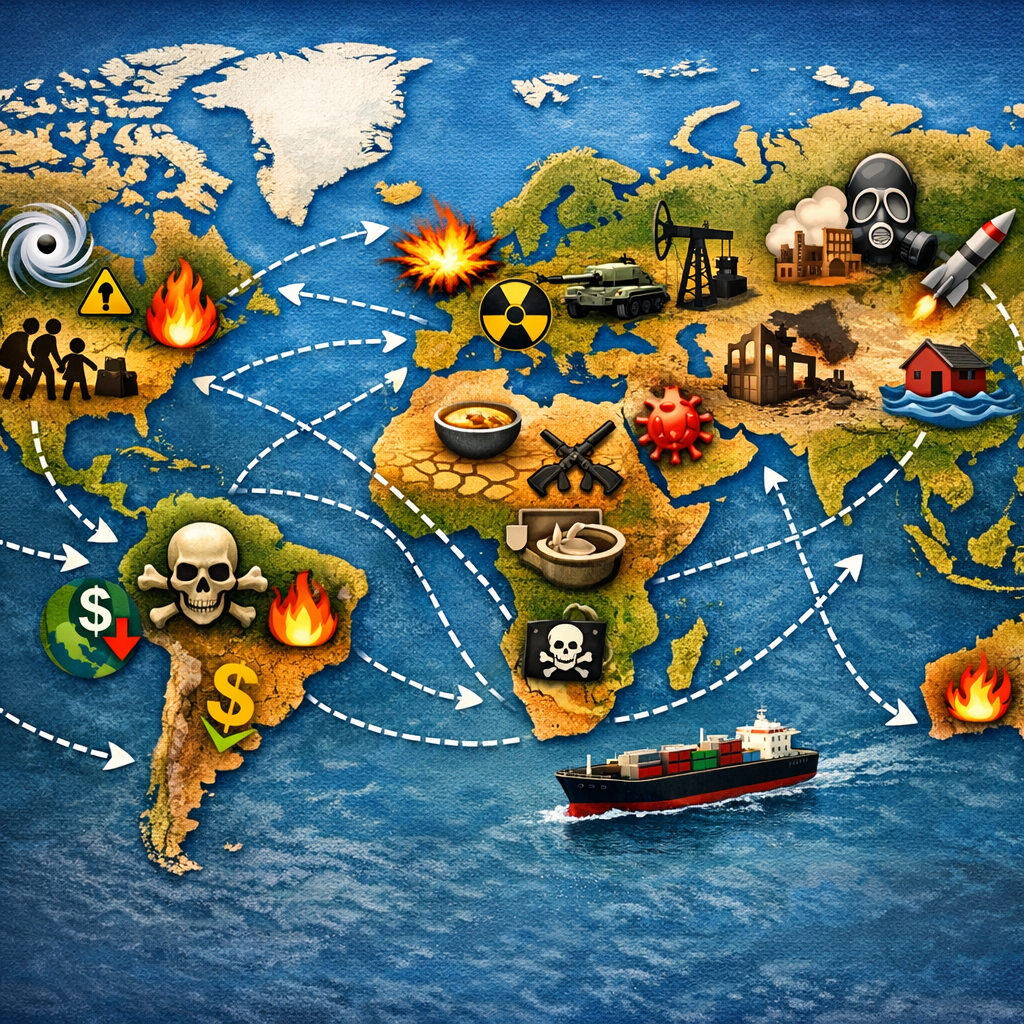
As global interconnections deepen, the reverberations of wars, economic shockwaves, and climate change reach further and faster than ever. Here are several ongoing international developments that are reshaping global stability, with implications that ripple into communities here in Aurora.
1. War, Trade Disruptions, and Economic Strains
The conflict in the Middle East continues to be a major disruptor. The war has strained energy markets, pushed up fuel prices, and interrupted trade routes, especially affecting oil-importing nations. Regions with limited fiscal space are most vulnerable to these disruptions. Meanwhile, technology investments in AI and clean energy are helping buffer some economies from the worst effects. Economists warn, however, that renewed conflict could reignite volatility and fuel global inflation. Global growth is projected around 3.0% for this year and rising slightly in 2027.
Why it matters locally: Higher prices at the pump, elevated costs of goods, and potential impacts on the local manufacturing and supply chain sectors.
2. Humanitarian Crises Multiply
Across Africa, the Middle East, and Asia, millions are facing acute food insecurity, displacement, and health emergencies. Conflicts weaken governments’ ability to respond, while climate shocks—such as droughts and floods—stretch relief systems thin. In many places, public health capabilities are falling short just as new risks (like infectious disease outbreaks) rise.
Local angle: Global refugee arrivals continue; Aurora, like many US cities, may feel the effects through resettlement programs and calls for community support.
3. Climate Risks and the Climate Action Gap
While climate change’s long-term stakes are widely understood, its immediate effects—heatwaves, food supply disruptions, extreme weather events—are worsening. Experts warn that it is becoming increasingly difficult to meet the Paris targets, especially the most ambitious goal of limiting warming to 1.5°C. Adaptation and resilience are now as urgent as mitigation.
On the ground: Local governments will need to invest more in resilient infrastructure—stormwater systems, green space, updated building codes—to prepare for what’s already here.
4. Great Power Competition, Alliances, and Geopolitical Realignment
Strategic rivalry between major powers—especially in Asia and the Middle East—is reshaping alliances and drawing smaller nations into new diplomatic currents. Trade and defense partnerships are being revisited. Political fragmentation and democratic erosion are rising in several regions.
For us: Local economies tied to international trade and investment may feel impacts, even if indirectly, from shifting policies overseas.
5. Technology Frontiers and Emerging Risks
AI, cybersecurity threats, and the misuse of digital tools are increasingly global concerns. Nations are racing not just for innovation, but also for safety protocols, norms, and perhaps most importantly, regulation. As economic momentum builds around technology, so do critiques over inequality, privacy, and security.
Relevance here: Tech companies, education institutions, and community groups must stay informed: the legal and ethical frameworks emerging now may define the digital world of tomorrow.
What Aurora Can Learn and Do
- Support local policies that strengthen resilience—flood control, energy efficiency, emergency preparedness.
- Advocate for immigration and resettlement practices grounded in humanitarian values.
- Stay connected—businesses and schools can benefit from international awareness, whether through trade, cultural exchange, or simply understanding global supply chain shifts.
- Engage in civic discussions about technology, climate, and foreign policy that now affect daily life, even far from conflict zones.
The world feels unpredictable—but for Aurora, as for many communities, these global trends offer both challenges and opportunities. Staying aware, adaptive, and compassionate can help us navigate times of global upheaval together.